Can We Turn Off Danger Signals to Stop Chronic Inflammation?

Therapeutic Approaches and What They Mean

Introduction

Chronic inflammation has become one of the most pressing health challenges of our time, contributing to diseases ranging from rheumatoid arthritis and inflammatory bowel disease to cardiovascular disease and neurodegenerative disorders. At the heart of this persistent inflammatory state lies a critical question: Can we therapeutically turn off the danger signals that fuel chronic inflammation? Understanding the answer to this question is revolutionizing how we approach inflammatory diseases and opening new frontiers in precision medicine.

Danger signals, scientifically known as damage-associated molecular patterns (DAMPs), are molecules released by stressed, injured, or dying cells that alert the immune system to tissue damage. While these signals serve essential protective functions during acute injury and healing, their sustained presence can create a vicious cycle of chronic inflammation, tissue damage, and disease progression.

Danger Signals

Also known as DAMPs (Damage-Associated Molecular Patterns)

  • Released by damaged or dying cells
  • Alert immune system to tissue damage
  • Include HMGB1, heat shock proteins, S100 proteins
  • Essential for acute healing
  • Problematic when chronically elevated

What Does "Turning Off Danger Signals" Really Mean?

Balance scale representing immune balance

Therapeutic modulation aims to restore balance rather than completely eliminating immune signals

The concept of "turning off" danger signals doesn't mean completely eliminating these crucial immune messengers, which would be both dangerous and counterproductive. Instead, it refers to therapeutically modulating excessive or inappropriate danger signaling to restore immune balance.

When danger signals like High Mobility Group Box 1 (HMGB1), heat shock proteins, or S100 proteins are chronically elevated, they continuously activate immune cells, perpetuating inflammation even in the absence of active tissue damage. Therapeutic intervention aims to reduce this pathological signaling while preserving the immune system's ability to respond to genuine threats.

"The goal is not to eliminate danger signaling, but to restore its normal physiological function and prevent pathological activation."

Current Therapeutic Strategies: From Bench to Bedside

Direct DAMP Inhibition: Targeting the Source

The most direct approach involves neutralizing danger signals themselves or blocking their release from cells. Glycyrrhizin, a natural compound derived from licorice root, represents one of the most extensively studied DAMP inhibitors. This compound directly binds to HMGB1, suppressing its chemotactic and cytokine activities. Recent clinical studies have demonstrated glycyrrhizin's effectiveness in conditions ranging from chronic prostatitis to osteoarthritis, where it significantly reduced inflammation markers and improved patient outcomes.

Monoclonal antibodies against specific DAMPs, particularly anti-HMGB1 antibodies, have shown remarkable success in preclinical models of sepsis, arthritis, and neuroinflammation. These targeted therapies can neutralize extracellular danger signals without affecting their essential intracellular functions, offering a more precise therapeutic approach.

Key DAMP Inhibitors

  • Glycyrrhizin Natural compound from licorice root that binds HMGB1
  • Anti-HMGB1 Antibodies Neutralize extracellular HMGB1 without affecting intracellular functions
  • S100 Protein Inhibitors Block pro-inflammatory calcium-binding proteins

Receptor Antagonism: Blocking the Message

Cell receptor diagram

Receptor antagonists prevent danger signals from activating immune cells

Another promising strategy involves blocking the receptors that detect danger signals, effectively preventing immune cells from receiving inflammatory messages. Toll-like receptor (TLR) antagonists have emerged as particularly valuable therapeutic tools.

TLR4 antagonists, including compounds like CRX-526 and various small molecules, have demonstrated efficacy in treating intestinal inflammation and other chronic inflammatory conditions. These drugs can significantly reduce disease activity and inflammatory markers while maintaining immune function for pathogen defense.

RAGE (Receptor for Advanced Glycation End-products) antagonists represent another cutting-edge approach. Recent developments include small-molecule inhibitors that disrupt RAGE-ligand interactions, showing protective effects against kidney damage, neuroinflammation, and cardiovascular disease. These compounds can reduce pro-inflammatory cytokine levels and prevent the chronic activation of inflammatory pathways.

JAK Inhibitors: Disrupting Downstream Signaling

Janus kinase (JAK) inhibitors have revolutionized the treatment of chronic inflammatory diseases by targeting the intracellular signaling pathways that amplify danger signal responses. Approved JAK inhibitors like tofacitinib, baricitinib, and upadacitinib work by blocking the JAK-STAT signaling pathway, which is activated by numerous pro-inflammatory cytokines.

These oral medications can simultaneously suppress multiple inflammatory pathways, offering broader anti-inflammatory effects than single-target biologics. Clinical trials have consistently demonstrated their efficacy in rheumatoid arthritis, inflammatory bowel disease, and other autoimmune conditions.

FDA-Approved JAK Inhibitors

  • Tofacitinib (Xeljanz®) Approved for rheumatoid arthritis, psoriatic arthritis, ulcerative colitis
  • Baricitinib (Olumiant®) Approved for rheumatoid arthritis, alopecia areata
  • Upadacitinib (Rinvoq®) Approved for rheumatoid arthritis, atopic dermatitis

NLRP3 Inflammasome Inhibition: Targeting the Cellular Machinery

Molecular structure

NLRP3 inflammasome inhibitors block the cellular machinery that processes danger signals

The NLRP3 inflammasome, a cellular complex that processes danger signals into inflammatory cytokines, has become an attractive therapeutic target. MCC950, OLT1177, and other specific NLRP3 inhibitors are currently in clinical trials for various inflammatory conditions.

OLT1177, in particular, has successfully completed Phase I clinical trials for degenerative arthritis and is now in Phase II trials, demonstrating good safety profiles and anti-inflammatory efficacy. These drugs can block both canonical and non-canonical inflammasome activation, offering broad therapeutic potential.

"NLRP3 inflammasome inhibitors represent one of the most promising new classes of anti-inflammatory drugs in development."

The Challenges: Why It's Not Simple

Timing Is Everything

One of the most significant challenges in targeting danger signals is timing. Danger signals play crucial roles in wound healing and tissue repair. Blocking them too early or too aggressively can impair healing and increase infection risk. The therapeutic window requires precise identification of when protective signaling becomes pathological.

Balancing Act: Immunity vs. Inflammation

Danger signal receptors also help fight infections and detect genuine threats. Complete blockade could compromise immune defenses, as demonstrated by increased infection risks observed with some broad-spectrum anti-inflammatory treatments. This necessitates careful dose optimization and patient monitoring.

Individual Variability

Not all patients with chronic inflammation have the same pattern of danger signal activation. Some may have elevated HMGB1, others may have increased S100 proteins or ATP release. This heterogeneity suggests that personalized approaches targeting specific danger signal profiles may be more effective than one-size-fits-all treatments.

The Therapeutic Balance
Immune Protection
Inflammation Control
Optimal therapeutic balance maintains immune function while controlling inflammation

Precision Medicine Approaches: The Future of Inflammation Treatment

Past

Broad Immunosuppression

Non-specific anti-inflammatory approaches with significant side effects

Present

Targeted Therapies

Specific pathway inhibitors with improved safety profiles

Future

Precision Medicine

Personalized approaches based on individual danger signal profiles

The future of danger signal therapy lies in precision medicine approaches that can identify which specific DAMPs are elevated in individual patients and target them accordingly. Biomarker-guided therapy is becoming increasingly sophisticated, with advanced techniques allowing clinicians to measure multiple danger signals simultaneously.

Combination therapies representing another promising frontier. Rather than targeting single danger signals or pathways, future treatments may combine DAMP inhibitors, receptor antagonists, and downstream signaling blockers to achieve more comprehensive anti-inflammatory effects while minimizing side effects.

What This Means for Patients Today

Currently Available Options:

  • JAK inhibitors are already approved and effective for multiple inflammatory conditions
  • Some DAMP inhibitors like glycyrrhizin are available as supplements or off-label treatments
  • Traditional anti-inflammatories remain valuable components of combination therapy

Emerging Treatments:

  • NLRP3 inhibitors are showing promise in clinical trials
  • Targeted DAMP neutralizing therapies are advancing through development
  • Precision medicine approaches are becoming more accessible

The Treatment Philosophy:

Modern inflammation treatment increasingly focuses on restoring balance rather than simply suppressing immunity. The goal is to quiet pathological danger signaling while preserving the immune system's protective functions.

Looking Ahead: The Promise and Challenges

The therapeutic landscape for chronic inflammation is rapidly evolving. While we cannot simply "turn off" all danger signals, we are developing increasingly sophisticated tools to modulate pathological signaling with precision. Success will likely come from combining multiple approaches—targeting specific DAMPs, blocking their receptors, and interrupting downstream signaling—tailored to individual patient profiles.

The most promising aspect of this field is its movement toward personalized treatment strategies. By identifying which danger signals are driving inflammation in each patient, clinicians can select the most appropriate combination of therapies, potentially transforming chronic inflammatory diseases from progressive, debilitating conditions into manageable, controllable disorders.

As research continues and more targeted therapies reach clinical practice, patients with chronic inflammatory conditions can look forward to more effective, safer, and increasingly personalized treatment options that address the root causes of their inflammation rather than simply managing symptoms.

The conceptual framework for targeting endogenous danger signals is deeply rooted in Polly Matzinger's influential danger model. This paradigm shift, which posits that the immune system primarily responds to perceived threats and tissue damage rather than foreignness alone, continues to guide modern immunological research. For a comprehensive exploration of this foundational theory, please visit dangertheory.org.

Spatial Mapping of Danger Signal Propagation

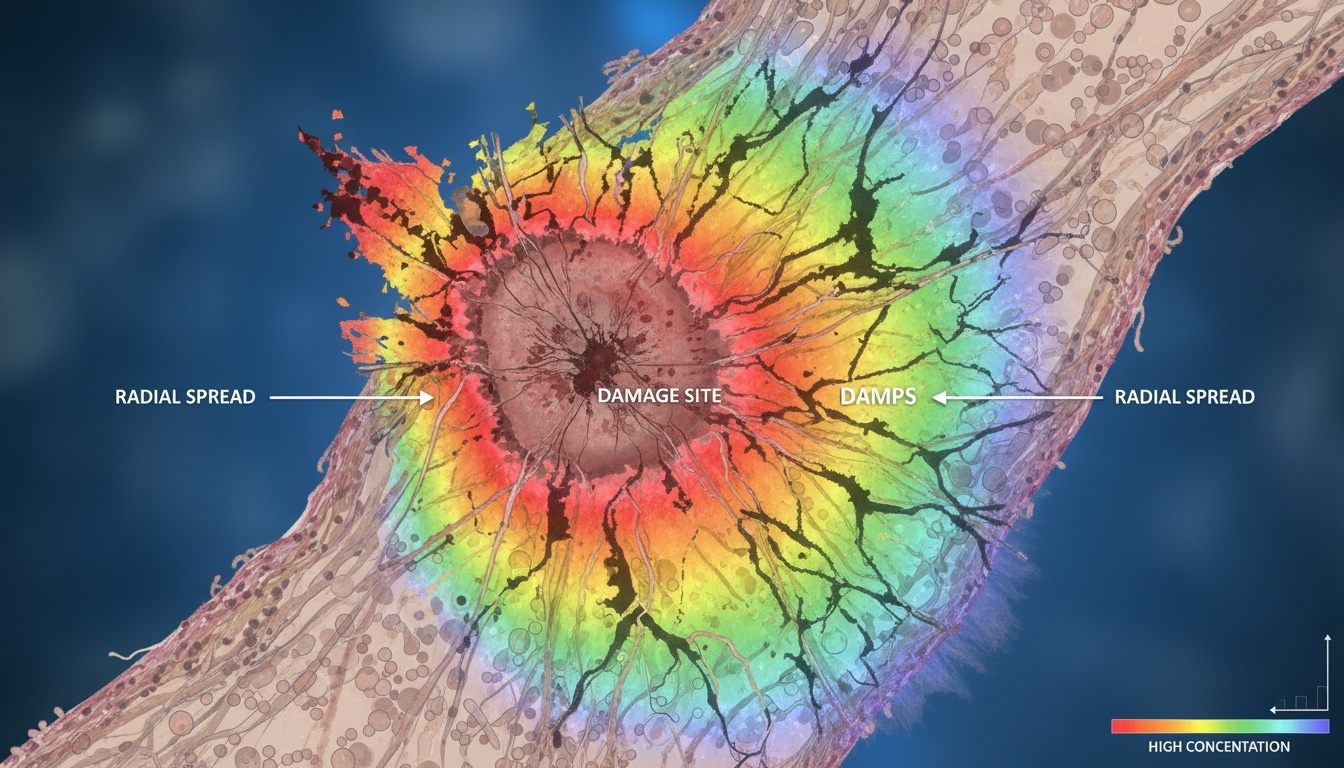
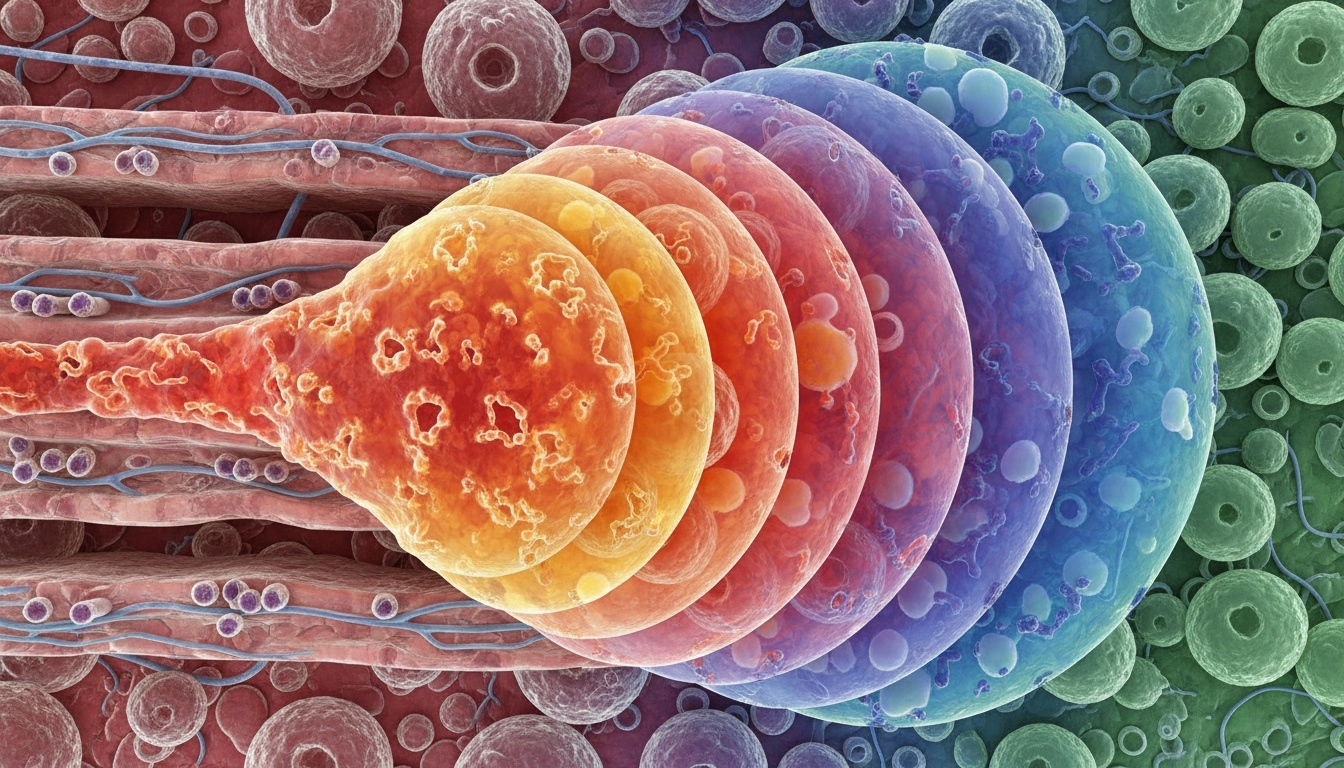
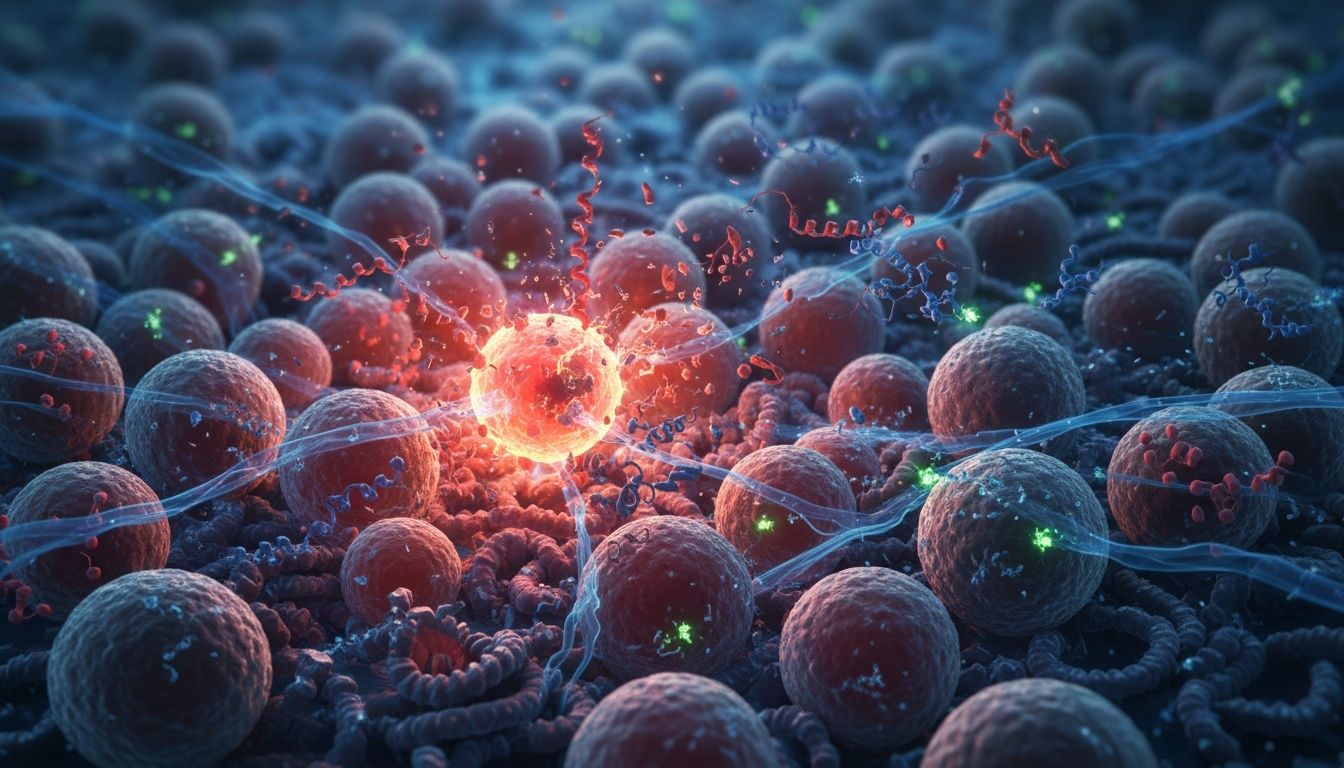
These high-resolution visualizations demonstrate the spatial dynamics of how danger signals (DAMPs - Damage-Associated Molecular Patterns) spread through tissue after initial damage:

🔬 Cross-Sectional View:

Shows the radial spread pattern from a central damage site with clear concentration gradients using scientific color mapping.

Cross-Sectional View of Danger Signal Propagation

🧊 3D Volume Visualization:

Displays three-dimensional signal diffusion patterns within tissue architecture, showing how signals penetrate through tissue depth.

3D Volume Visualization of Danger Signals

⏱️ Temporal Progression:

Illustrates how the danger signal boundaries expand over time, capturing the dynamic nature of signal propagation.

Temporal Progression of Inflammation

🔬 Cellular-Level Detail:

Reveals the molecular mechanisms at the tissue boundary, showing individual cells and DAMP molecule interactions.

Cellular-Level Detail of DAMPs

Each visualization maintains complete spatial context without cropping, uses research-grade resolution, and follows established scientific visualization standards. The color gradients clearly indicate signal intensity - from high concentration (red/orange) at damage sites to lower concentrations (green/blue) in surrounding healthy tissue.

About the Author

Ken Mendoza

Ken Mendoza

Ken Mendoza brings over 14 years of experience in the biotechnology sector, with five years specializing in biochemistry and eight years in bioinformatics. His academic foundation includes degrees in Microbiology and Political Science from UCLA, complemented by graduate work at Cornell University. As a co-founder of Oregon Coast AI, he continues to work at the intersection of artificial intelligence and immunology. Ken holds five patents in the field of proteomics, underscoring his expertise and innovative contributions to molecular biology.

References

  1. HMGB1 inhibition alleviates chronic nonbacterial prostatitis by suppressing inflammation. Dovepress.
  2. Frontiers in Immunology: DAMP signaling in inflammatory diseases.
  3. PMC: Danger signals in inflammation and their therapeutic implications.
  4. PMC: Targeting danger signals in inflammatory disease.
  5. Frontiers in Immunology: DAMP-induced inflammatory responses.
  6. Frontiers in Immunology: Targeting HMGB1 in inflammation.
  7. PMC: JAK inhibitors in inflammatory diseases.
  8. Nature: Glycyrrhizin and its anti-inflammatory effects.
  9. Frontiers in Pharmacology: NLRP3 inflammasome inhibitors.
  10. PMC: Receptor antagonism in inflammatory diseases.
  11. Nature Reviews Drug Discovery: Targeting danger signals.
  12. PMC: RAGE antagonists in inflammatory conditions.
  13. PMC: Precision medicine approaches to inflammation.
  14. Frontiers in Immunology: Biomarker-guided therapy for inflammation.
  15. Nature Reviews Nephrology: Targeting danger signals in kidney disease.
  16. Annual Reviews: Balancing immunity and inflammation.
  17. PMC: Timing considerations in anti-inflammatory therapy.
  18. Wikipedia: Janus kinase inhibitor.
  19. Frontiers in Medicine: Individual variability in inflammatory responses.
  20. BMJ: Clinical applications of JAK inhibitors.
  21. PMC: Inflammasome inhibitors: promising therapeutic approaches against cancer.
  22. Frontiers in Cell and Developmental Biology: DAMP signaling in tissue repair and regeneration.
  23. International Journal of Molecular Medicine: Molecular mechanisms of DAMP-mediated inflammation.
  24. PMC: Targeting the NLRP3 inflammasome in chronic inflammatory diseases.
  25. PMC: HMGB1 as a therapeutic target in inflammatory diseases.
  26. Wikipedia: Damage-associated molecular pattern.
  27. PMC: Precision medicine in inflammatory disorders.
  28. Altus Biologics: What is a biomarker and what does it mean for my chronic illness?
  29. Frontiers in Immunology: Personalized approaches to inflammatory disease management.
  30. PMC: Biomarker-guided therapy in chronic inflammation.
  31. PMC: RAGE signaling in inflammation and disease.
  32. Journal of Medicinal Chemistry: Development of small-molecule RAGE antagonists.
  33. Science Direct: HMGB1 in inflammation and disease.
  34. PubMed: Glycyrrhizin as a potential treatment for chronic inflammation.
  35. Science Direct: Novel approaches to targeting danger signals in autoimmune disease.
  36. Wiley Online Library: Balancing immune responses in chronic inflammation.
  37. Science Direct: Timing considerations in anti-inflammatory therapy.
  38. Science Direct: Toll-like receptor antagonists in therapy.
  39. Science Direct: JAK inhibitors in clinical practice.
  40. Nature: Precision approaches to inflammatory disease management.
  41. Science Direct: NLRP3 inflammasome in chronic disease.
  42. Nature: Targeting danger signals in neuroinflammation.
  43. PubMed: Recent advances in DAMP inhibition strategies.
  44. Nature: Combination therapies targeting multiple inflammatory pathways.
  45. Science Direct: Receptor antagonism in chronic inflammatory conditions.
  46. Journal for ImmunoTherapy of Cancer: DAMP signaling in cancer and inflammation.
  47. Drug Development & Delivery: Inflammasome inhibitors - 21st century miracle drugs.
  48. PubMed: Clinical trials of NLRP3 inhibitors in inflammatory diseases.
  49. Science Direct: OLT1177 in clinical development for arthritis.
  50. Nature: Biomarker profiles in personalized inflammation management.
  51. Chemistry Europe: Development of novel DAMP inhibitors.
  52. Nature: HMGB1 as a therapeutic target in inflammatory diseases.
  53. Science Partner Journal: Danger signals in tissue damage and repair.
  54. PMC: Therapeutic targeting of danger signal receptors.
  55. Science Direct: Individual variability in danger signal profiles.
  56. Science Direct: Future directions in danger signal modulation therapy.

Bibliography for Danger Signal Spatial Mapping Visualizations

Primary Scientific Sources

Damage-Associated Molecular Patterns (DAMPs) Research
  1. The Role of Danger Signals in Pathogenesis - Research on PAMPs and DAMPs in tissue injury and immune response activation
  2. Conversion of Danger Signals into Cytokine Signals - Hematopoietic stem cell niche signaling and cytokine circulation
  3. DAMP Signaling Networks and Receptors - Comprehensive review of DAMP receptors and intracellular signaling pathways
  4. Damage-Associated Molecular Patterns in Diseases - Endogenous danger signals from damaged cells and tissue responses
Spatial Biology and Tissue Mapping
  1. Spatial Joint Profiling of DNA Methylome and Transcriptome - Advanced spatial profiling methods for tissue analysis
  2. Mapping and Reprogramming Human Tissue Microenvironments - Spatially restricted signaling networks in tissue microenvironments
  3. CytoMAP: Spatial Analysis Toolbox for Tissue Architecture - Comprehensive platform for spatial analysis of cellular positioning
Signal Propagation and Inflammatory Response
  1. Linking Signal Input, Cell State, and Spatial Context - Integration of spatial and temporal cues in inflammatory responses
  2. Systems Analysis of Dynamic Inflammatory Response - Microscopy techniques for visualizing acute inflammatory responses
  3. Deep Learning Reveals Damage Signaling Hierarchy - Spatio-temporal analysis of cellular responses to tissue damage
Visualization and Imaging Techniques
  1. INSIHGT: Multi-scale, Multi-modal 3D Spatial Mapping - Advanced 3D spatial profiling and visualization methods
  2. 3D Genomic Mapping of Pancreatic Cancer - Multifocal tissue analysis and spatial mapping techniques
  3. Genetically Encoded Sensor for Leukotriene B4 Gradients - Visualization of inflammatory signal gradients in tissues
Additional References
  1. DAMP Diffusion in Plant Systems - Local tissue DAMP propagation and apoplastic diffusion patterns
  2. Various Forms of Tissue Damage and Danger Signals - Sequential steps in tissue damage and danger signal production

Note: These visualizations were created based on current scientific understanding of danger signal propagation as documented in peer-reviewed literature. The spatial mapping concepts incorporate established principles of DAMP diffusion, tissue architecture, and inflammatory response dynamics as described in the referenced sources.